


Truth About Coober Pedy Opal
Recently, I’ve heard that some people on the outer edges of the opal industry have been putting words in my mouth saying that I don’t buy or sell Coober Pedy opal because it cracks, or that it’s somehow unsaleable. That’s simply not true.
In an industry like opal, knowledge comes from years in the field, at the wheel, and at the cutting bench. Rumours are often started by those who don't have hands-on experience.
So let me set the record straight.
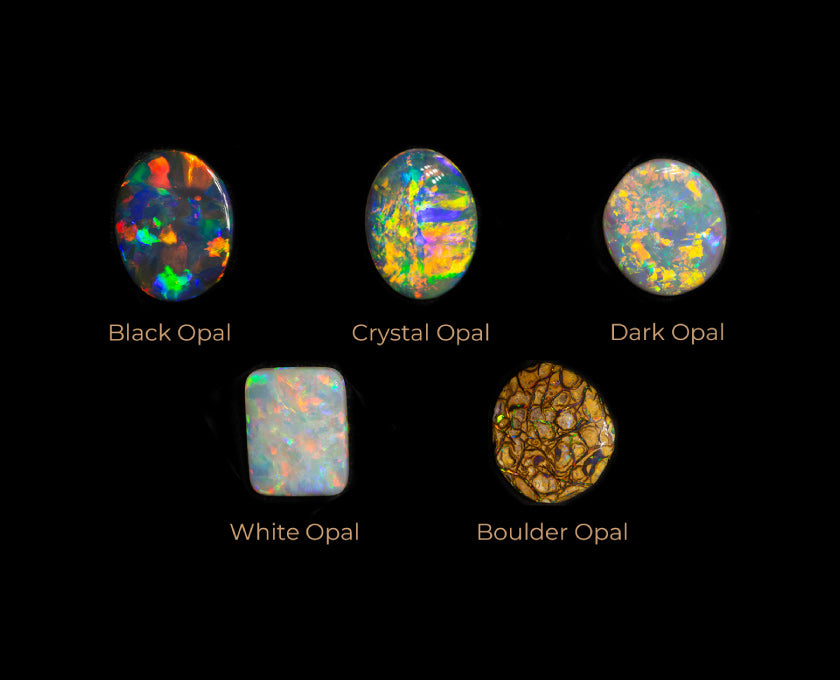
I actually love Coober Pedy opal — and Andamooka too. I’ve seen some absolutely beautiful material come out of those mining areas. Bright whites, crystal opal with incredible translucency, and gems that glow with vibrant reds, greens, and blues. Contrary to what some people say, these types of opal are very popular and highly sought after around the world.
Coober Pedy vs Lightning Ridge
Coober Pedy is famous for its white and crystal opal. Lightning Ridge, where I’ve spent most of my life working, is known for black opal.
Both fields produce stunning gemstones but they’re just different.
-
Coober Pedy & Andamooka: They are known for lighter body tones (white, milky, and crystal material). These gems can display brilliant color play, often with a soft brightness.
-
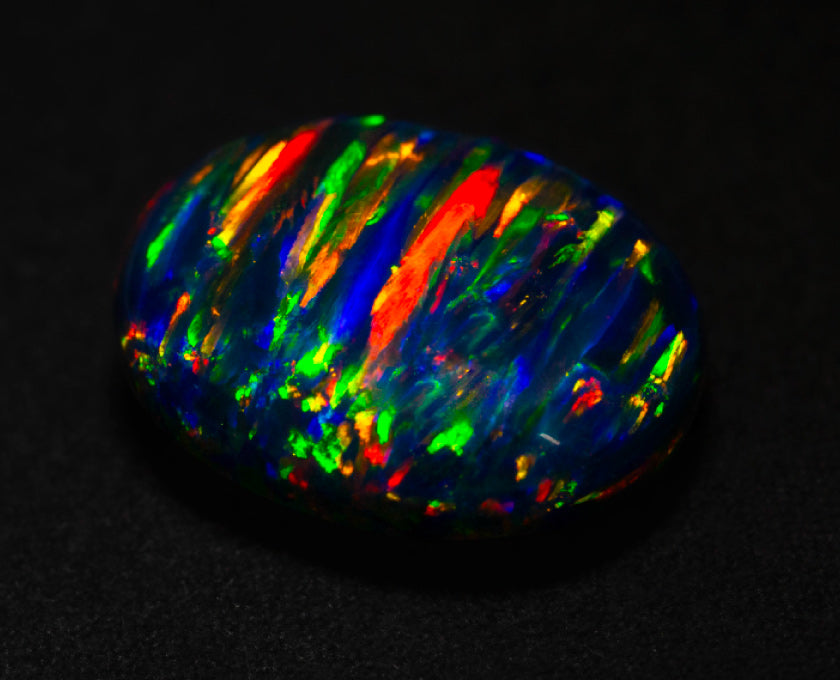
Lightning Ridge: They are famous for dark body tones (grey to jet black) which can make the colors appear more intense and dramatic.
The difference isn’t about one being better than the other. It’s about body tone and character. A dark body tone makes colour pop differently than a white body tone. Some customers prefer the bold contrast of black opal. Others love the clean, bright glow of white or crystal opal.
There is room and strong demand for both.

Why I Focus on Black Opal
The reason I don’t deal heavily in Coober Pedy material has nothing to do with quality or stability. It comes down to focus.
My father and I never travelled to Coober Pedy or Andamooka to mine. We concentrated on Lightning Ridge. That’s where we built our knowledge. That’s where we learned the fields, the seams, nobbies, the levels, the risks, and the rewards.
There’s a saying in business: Find your niche and go deep.
That’s exactly what we’ve done. We concentrate on black opal because that’s what we know inside and out. We understand the fields of Lightning Ridge — which areas are productive, which to avoid, how the material behaves when cutting, and how to maximise the beauty in each gem. That depth of experience matters.
Respect for All Opal Fields
I’ll be the first to say I don’t know Coober Pedy the way I know Lightning Ridge. I haven’t worked those fields firsthand like I have here. But I absolutely know beautiful opal when I see it.
Good opal is good opal — whether it comes from Lightning Ridge, Coober Pedy, or Andamooka. Each field has its own personality, its own structure, and its own magic.
The idea that Coober Pedy opal is “unsaleable” is simply wrong. There are incredible opals coming out of those fields, and they are loved by collectors and jewelry buyers worldwide.
At the end of the day, this industry should be about appreciation, knowledge, and respect. And from my experience, Australia as a whole produces the finest opal in the world.
Read more
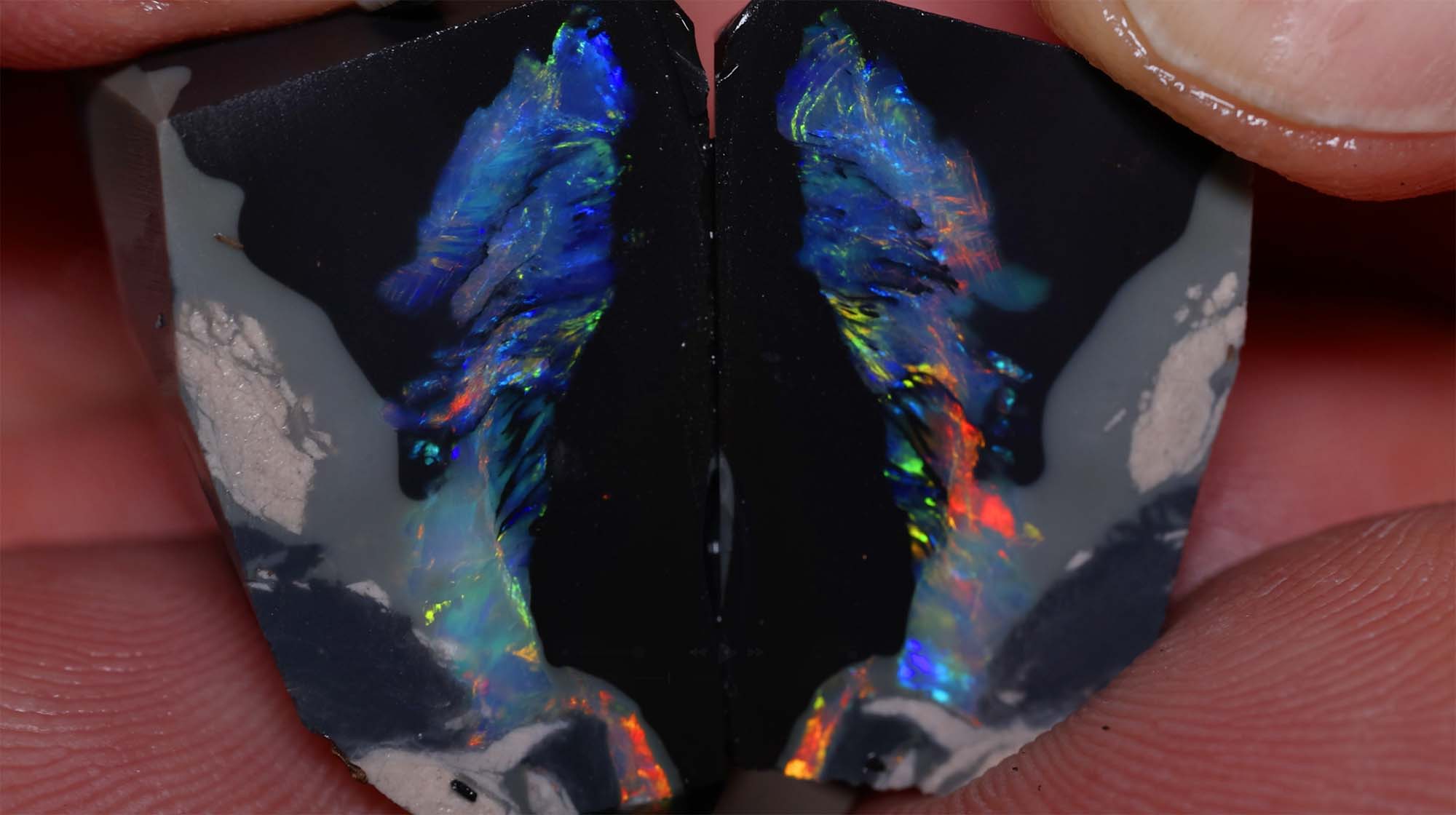
For the first time ever, Saxon went out and bought a piece of rough completely on his own. No safety net and no second opinion. Just a 250 carat nobby from the Wyoming field and a bit of courage. O...

Choosing the right ring size is just as important as choosing the perfect opal. Whether you're buying a ready-made ring or having one custom made, knowing your correct size ensures a comfortable fi...
2 comments
Thanks for the very thought out comment I appreciate that you made the time and your opinion is spot on Ariel. Education is the key around opal as many really have not been taught the right things and can easloy get other opals from other countries mixed into the same melting pot. But not all opals are the same. Thanks again.
justin Thomas
Very well written article and hopefully I can help highlight how important it is for correct education from the jewellers to retailers and then to sales reps and assistants. Being a geologist by education and jeweller by trade, Opals have been misunderstood for a long time and I’m not saying it is poor education, sometimes it is the lack of special education in the field. Opals are a stone that I like to say “lives or are living” Yes – different geological areas will produce varying characteristics of opals but that is the beauty and definitely not a defining factor of whether an opal is saleable or not. Australian Opals are most well known to be the more resisliant type of Opal when compared to those such as Ethopian Opals which have a different structure which makes them prone to absorbing water and being slightly weaker than Australian Opals. All stones can crack under the right circumstances even a diamond – so there is absolutely no truth in saying Coober Pedy opals are unsaleable due to cracking, whether it’s looking at it from a gem point of view or a geological perspective. All opals saleable in their own rights whether Vibrant Black from Lightning Ridge, Scintillating White from Coober Pedy or Firey Welo Opals.
———
Black Opal Direct replied:
Thanks you Ariel I agree with everything you say. Every opal is unique and there is an owner for every opal out there
Ariel
Leave a comment
All comments are moderated before being published.
This site is protected by hCaptcha and the hCaptcha Privacy Policy and Terms of Service apply.