

The Gemstone Industry vs Artificial Intelligence
Artificial Intelligence is a wave of technology that is coming whether we like it or not. And unfortunately, even the opal and gemstone world has not been spared.
What was once a straightforward passion — buying, selling and collecting beautiful stones — has now become a minefield on the internet of AI-generated images and videos, with fake websites and pages selling nothing but lies.

The problem is bigger than you realise
AI image generation has advanced so rapidly that it is no longer just the everyday buyer at risk, but seasoned collectors, dealers and enthusiasts being fooled by 'realistic and probable' imagery.
A number of pages, particularly out of India, have been producing AI-generated opal and gemstone images and videos for quite some time now. The quality has become so convincing that telling the difference between a real gem and an AI-generated one is genuinely difficult, even for experts.
What makes this even more dangerous is the scale of audience being reached. Some of these pages have accumulated over 500,000 followers on social media, giving them an air of legitimacy. But keep in mind that a high follower count means nothing without merit and followers can be bought.
How are AI-images fooling people?
Modern AI tools can generate photorealistic images of gemstones in seconds. These images can show perfect play-of-color, incredible patterns and stunning clarity, and people are advertising these as 'real' product.
Here are some tell-tale signs you may be looking at an AI-generated gemstone image:
-
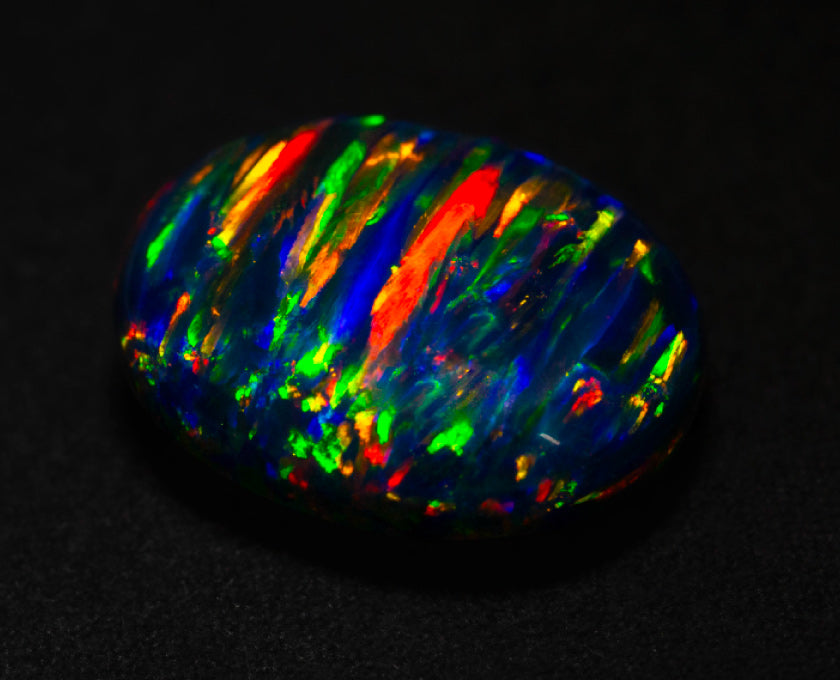
The gem or specimen looks too perfect. Real opals have natural imperfections and AI tends to produce flawless, almost dreamlike stones, often with an internal "glow".
-
The background or surroundings look slightly off. Hands, fingers or surfaces in the image may look unnatural or slightly blurred.
-
No video of the actual gem or fossil. Legitimate sellers will provide a video to support the shifting colors and pattern.
-
Prices seem too good to be true. A 'stunning' 10-carat crystal opal for $30 is a red flag.
-
No reviews, no history, no contact details. Fake pages rarely have verifiable business information.
My frustration
I'll be honest with you, fighting this felt like a personal crusade, trying to make people aware that what they were seeing was not real, warning buyers before they lost their money, and watching people get fooled anyway was deeply frustrating.
I have reached the point of accepting that AI is not going anywhere nor are the people that use it - whether for good or bad. My aim with this article is to warn buyers using my knowledge of opal and some common sense.
How to protect yourself
If you are a buyer shopping online for opals, crystals, fossils or any gemstone, here is what I recommend:
-
Buy from established sellers with a proven history. Look for businesses that have been operating for years, not just months.
-
Search for Google reviews and independent feedback. A legitimate seller will have a trail of happy customers.
-
Ask questions before you buy. Message the seller and ask about the gemstone (weight, origin, dimensions, ect.). A real seller will know their stock. A fake page will give vague or scripted answers.
-
Request a live video. If you're still unsure, ask for a short video of the actual gem in hand, in natural light. This is something AI cannot fake in real time.
-
Check if the page has consistent, long-term posting history. Fake pages often appear suddenly with hundreds of polished posts and no real engagement.
-
Look for membership to Industry Associations. Legitimate business usually have ties to the industry through organizations like the Opal Association or local miners bodies like the Lightning Ridge Miners Association.
- Trust your instincts. If something feels too good to be true, it almost certainly is.
Justin spoke about the use of AI in the gemstone industry recently on a live YouTube video. Check out what he had to say about the matter ⬇
The opal and gemstone community is one of the most passionate and genuine communities out there. It would be a shame to let bad actors ruin that. Stay informed, ask questions, and stick with sellers who have earned their reputation through years of honest trade.
Good luck out there, opal hunters, collectors and enthusiasts alike. Stay sharp. 💎
P.S. We aren't against AI, in fact we used it to check that what we were saying was actually English and not complete gibberish. We just want you to be aware when it comes to buying opal online.
Read more
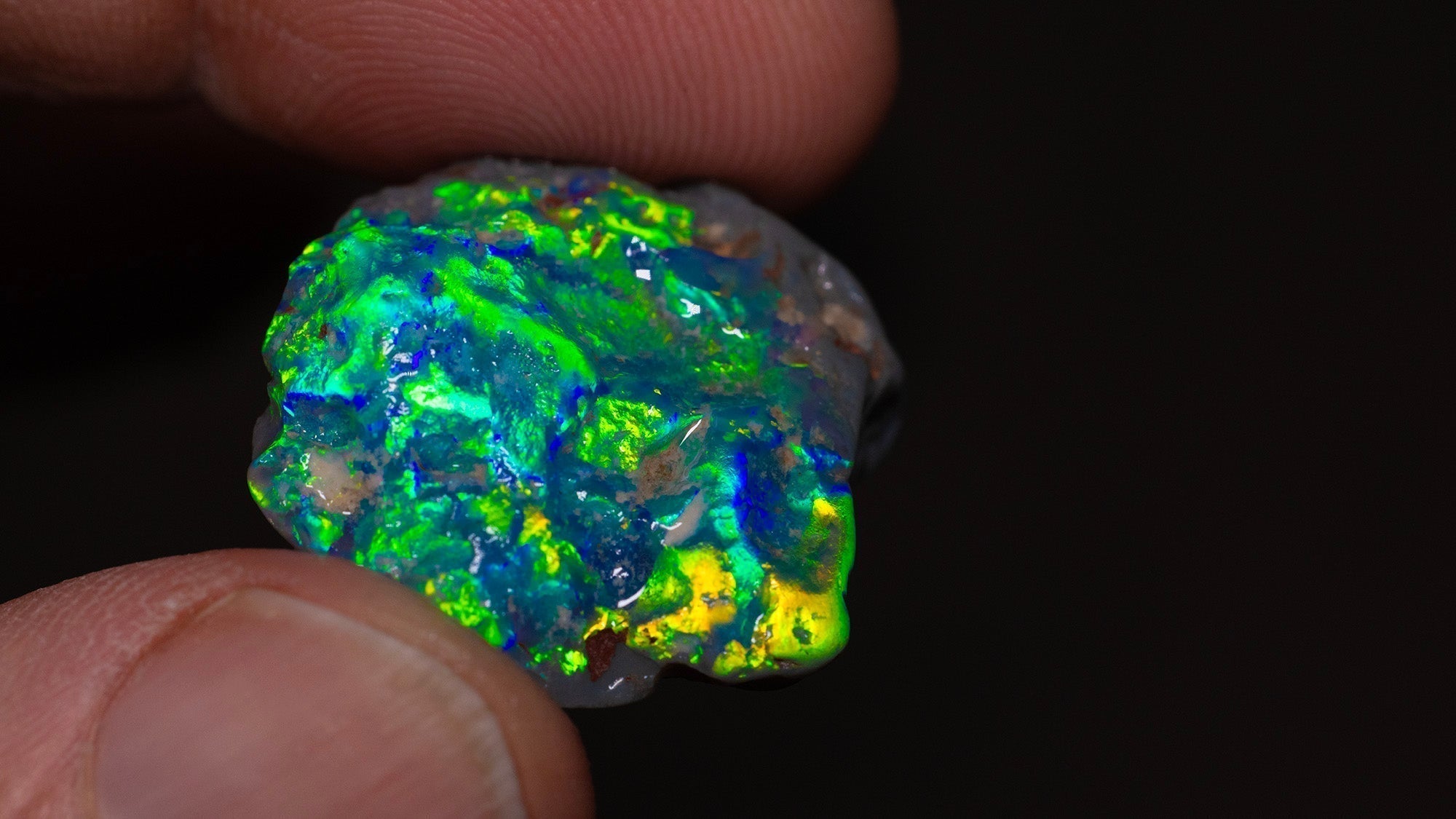
This cutting video starts where it all begins — straight from the agitator at the mine in Lightning Ridge. A 30 carat rough piece with holes, uncertainty, and a color that hints at something incred...
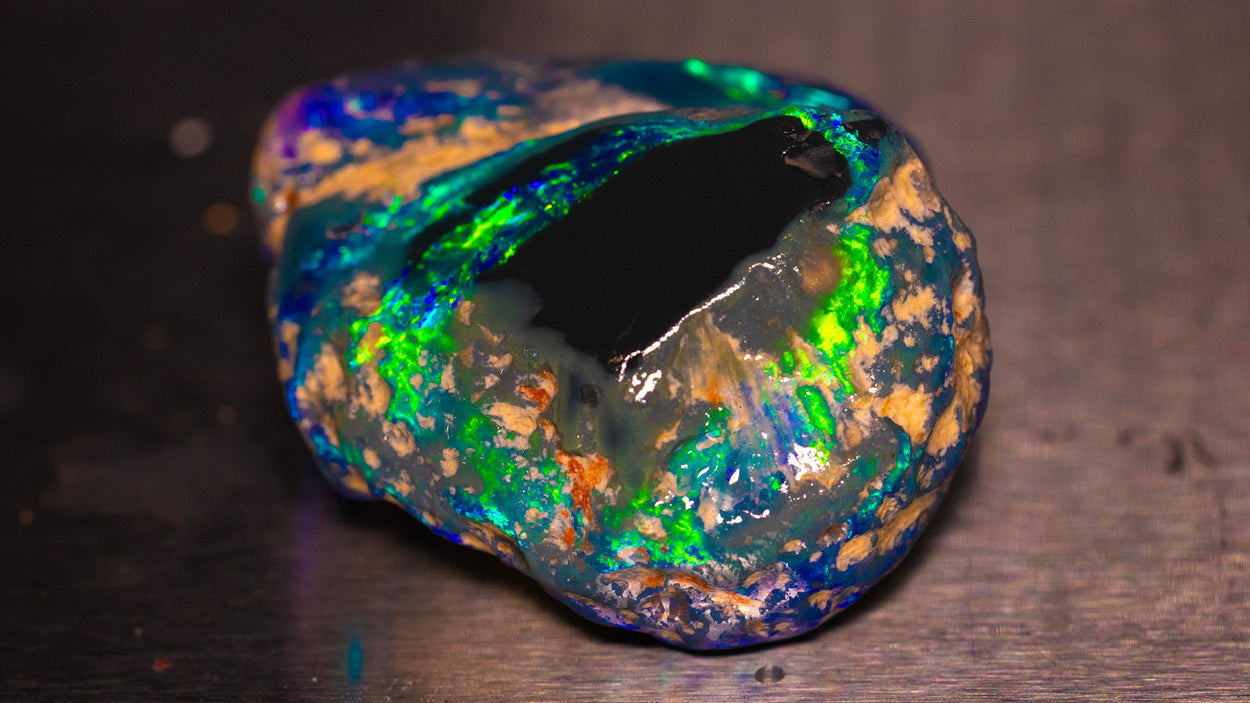
I just got back from Lightning Ridge helping Saxon with his mining operation. While I was there, a close friend of my late father handed me a 140 carat piece of black Lightning Ridge rough. One sta...
4 comments
Thanks for this and the important advice! :D I saved this article as a file to refer back to in the future when I do my opal gazing online! :)
But I think your use of AI on the article led you astray; someone taught it that it’s “ect.” when it’s actually “etc.” :(
“Etc.” = “et cetera” = “and the rest” or “and so forth”; I don’t think “ect.” actually means anything. :(
Bad AI! Or at least, bad AI teachers… :(
———
Black Opal Direct replied:
Hmm very strange
Nancy
Terrific article and video. Facts vs AI nonsense well exposed.
———
Black Opal Direct replied:
Thank you yes it is something that needs to be addressed
Susie
Ditto above, I only buy from Justin and the team of BOD – we are big fans of the honesty and beauty and experience that clearly shows. Thanks so much Justin, for making this video and article – it’s important.
———
Black Opal Direct replied:
Thank you Eloise you are very kind. 😊🙏
Eloise
Thanks for this insight and guidance.
This is why, I will only buy from BLLACKOPAL Direct!
Over the years, your ethics, honesty, quality and professionalism is unmatched and appreciated.
———
Black Opal Direct replied:
Aww Jeff thank you I really appreciate your kind words
Jeff DeAngelis
Leave a comment
All comments are moderated before being published.
This site is protected by hCaptcha and the hCaptcha Privacy Policy and Terms of Service apply.